Sun and Fade Finder
Choose the way a wall faces, the season and where you live. See the hours of direct sun, the fading risk and the glass coating to ask for.
How Much Sun Hits Your Wall? Sun and Fade Finder
- Hours of direct sun-
- Strongest around-
- Fading risk-
Saved. It travels with the form at the bottom of this page.
A simple sun-path model for a clear day with no shade or overhang. Trees, porches and neighboring buildings change the result.
What the numbers mean
- Direction mattersWest walls get strong afternoon sun in summer, while south walls get steady light across the day.
- Season changes everythingThe sun is high in summer and low in winter, so overhangs and glass choices act differently.
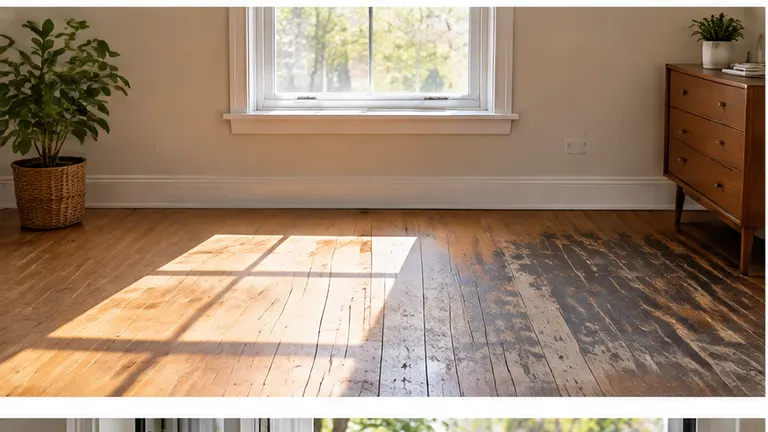
- Fading follows sunMore direct sun means more fading of floors and furniture, and more heat to manage.
About this tool
Does the tool account for trees and porches?
No. It models a clear day with no shade. Trees, overhangs and neighboring buildings reduce the hours.
What is the best coating for a west wall?
In hot climates, a low solar gain coating is the usual choice. In cold climates, a moderate coating can still keep afternoon glare in check.
Can film help?
Film can reduce heat and UV on existing windows. We check the glass type first because some combinations can stress the glass.
When the numbers say it is time
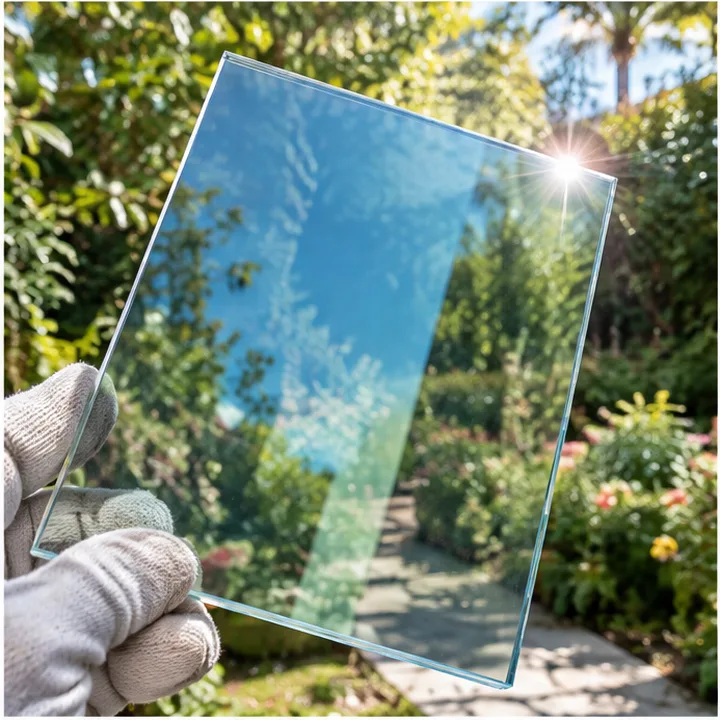 Low-E Glass UpgradesA nearly invisible coating on the glass that reflects heat, protects your floors and furniture and cuts glare.See the service
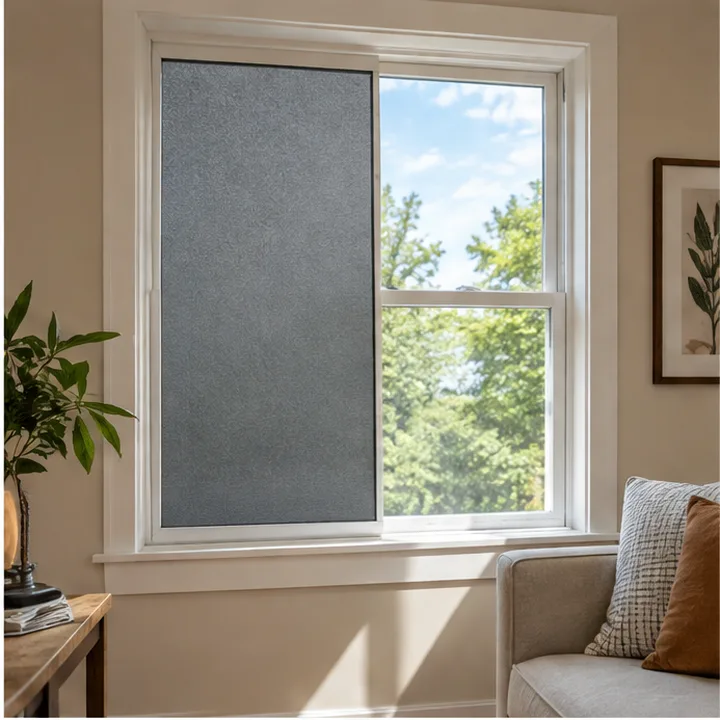 Window Film and TintingFilm applied to glass to cut glare, heat and UV, add privacy or add a layer of security without changing the window.See the service
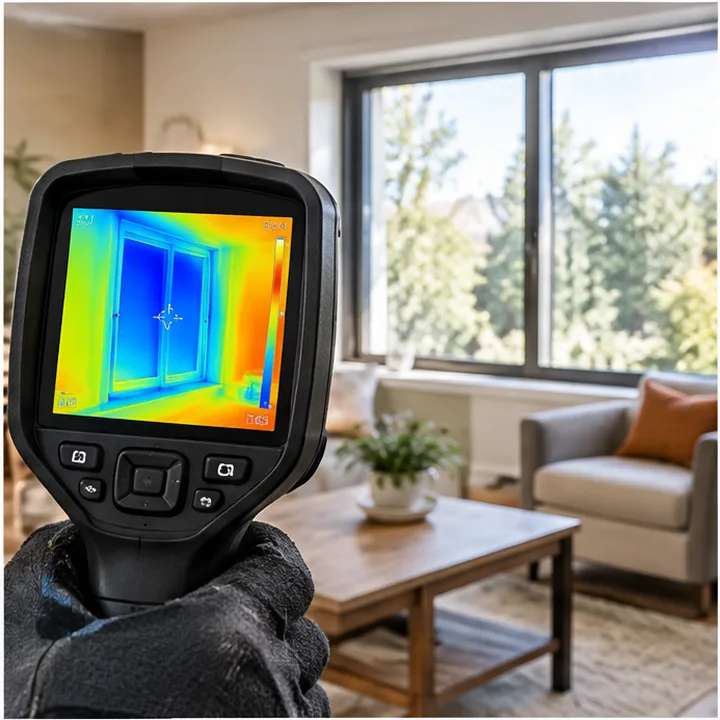 Energy-Efficient Window UpgradesWindows chosen and installed for lower energy use: better glass, warm-edge spacers, tight frames and careful sealing.See the service
Ready for windows that work?
Call or text Replace Windows, or send the form, and tell us about your home or building. We reply with clear next steps and a plan that fits.